
Educational resources
OVERVIEW
I taught high school science for more than thirty years – eighteen in the New York City public school system and twelve at the Ross School, a private school on Long Island’s East End.
The resources gathered here are intended to provide teachers with both content and context for lessons in the fields listed below. They include slide presentations (in PowerPoint and Keynote), readings drawn from peer-reviewed papers and other influential sources, laboratory activities, assignments, and student exemplars.
There are relatively few formal lesson plans. In my experience, lesson plans tend to reflect a teacher’s individual style, and mine were almost always handwritten, continually revised, adapted, and – if not discarded, then layered over time, each becoming a palimpsest of the lessons that came before. (The recent trend toward standardized lessons in public schools represents, in my view, a serious erosion of educators’ creative autonomy and an implicit admission that institutions are no longer willing to invest in highly qualified teachers – instead, prioritizing standardization over pay.)
The slide decks and assignments, however, are readily adaptable and can be used in a wide range of pedagogical approaches.
Taken together, the subjects explored here engage enduring questions: How did the universe begin? What is its fate? What is our relationship to the universe, to Earth, to life, to humanity, and to ourselves? While definitive answers may remain elusive, these materials draw on the work of leading thinkers and researchers and introduce students to an emerging understanding within the sciences: that the universe is deeply interconnected, evolving, and emergent. The evolutionary histories of the universe, Earth, life, the brain, humanity, and consciousness are examined as complex systems, revealing recurring patterns of co-evolution, emergence, paradox, and cause and effect.
Each tab below links to a subject and an introduction. Click the title to access each resource in Google Drive.
COSMOLOGY II Gaia (Earth) II ANTHROPOLOGY II NEUROSCIENCE II CONSCIOUSNESS II
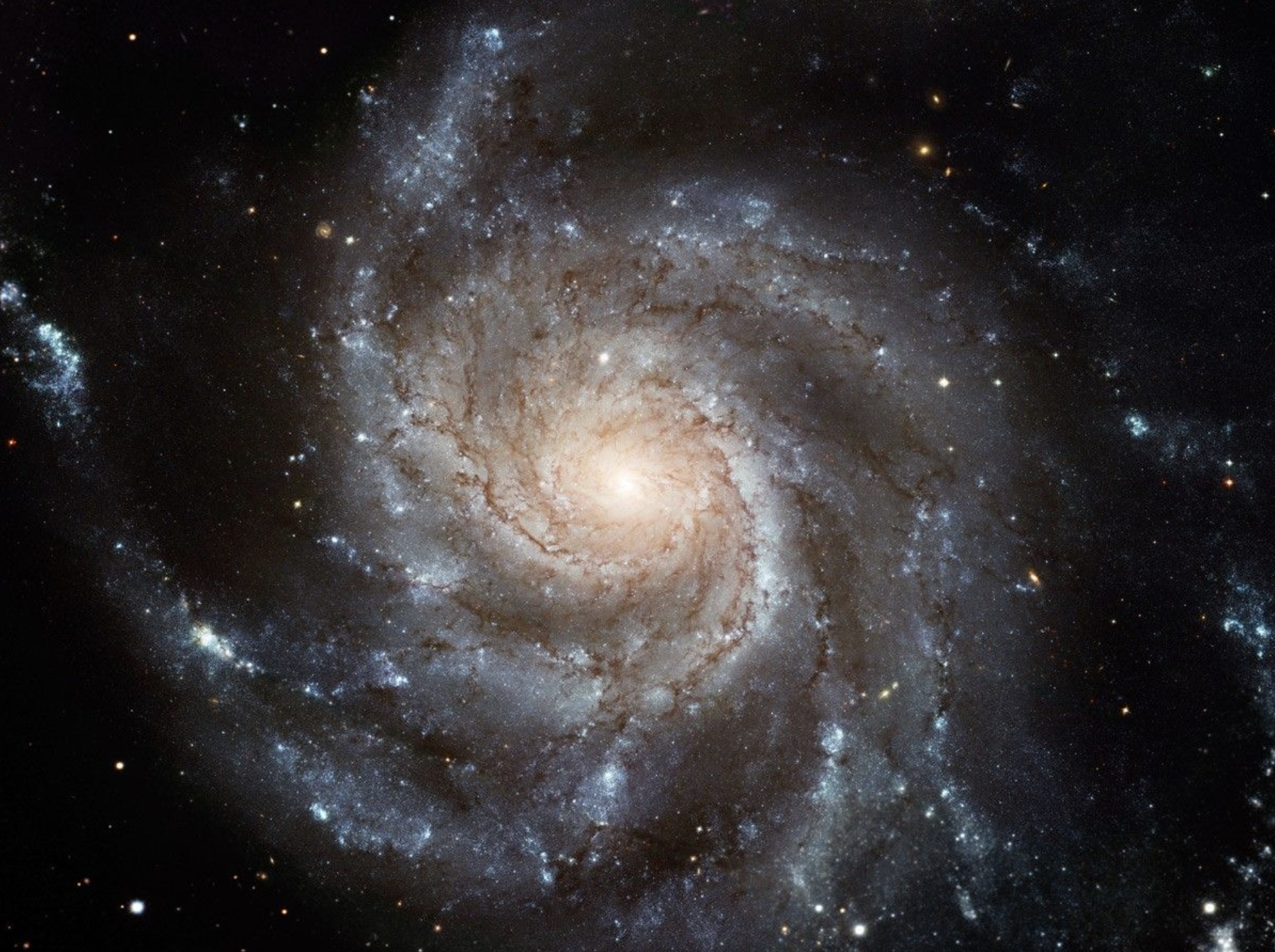
From the Big Bang to the formation of planets, from the quantum and probabilistic nature of the subatomic world to relativistic phenomena such as black holes, and from dark matter to dark energy, these materials are designed to guide students through the evolutionary story of a continually unfolding – and continually perplexing – universe.
Lesson materials reflect the universe’s increasing complexity. Interactions of matter and forces in space-time (the domain of physics) give rise to nucleosynthesis and to the evolution of stars, galaxies, and large-scale cosmic structure. As complexity deepens, these interactions transition into the realm of chemistry and eventually lead to subjects explored in other units: the formation and evolution of Earth (geology), the emergence of life (biology), and the development of intelligence and consciousness (neuroscience).
Several topics addressed here intersect directly with enduring philosophical questions, including the Special and General Theories of Relativity, quantum mechanics, the multiverse hypothesis, universal evolution, and the Anthropic Principle.
Earth’s evolution is explored through the lenses of geology, ecology, and the environmental sciences. These fields may be studied as separate, year-long courses or integrated into a unified examination of Earth as a complex, dynamic (and potentially self-regulating) system.
Topics include the origins and evolution of continents, oceans, and life, as well as the intricate interplay of astronomical, meteorological, geological, and biochemical processes. Students investigate phenomena such as plate tectonics, mass extinctions, and glaciations, gaining insight into the forces that have shaped – and continue to shape – the living planet.

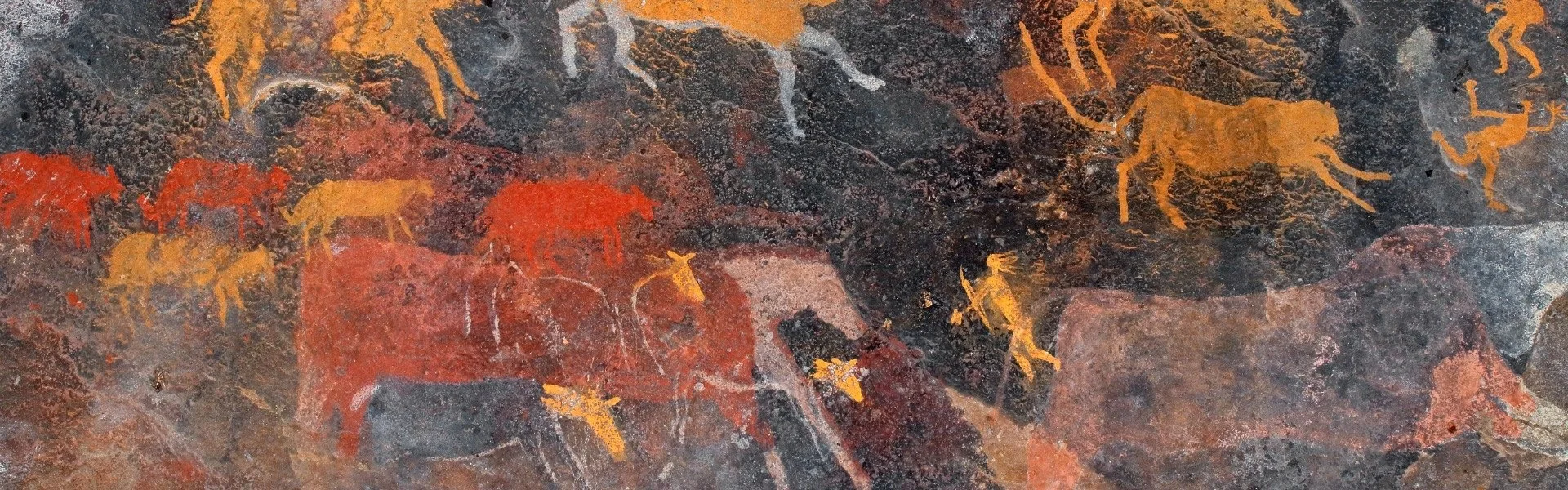
Drawing on evidence from multiple fields, Anthropology seeks to reconstruct plausible evolutionary narratives of Homo sapiens. Laboratory work introduces students to the tools and methods of a scientific discipline that must often reach ambitious conclusions from fragmentary and limited material evidence.
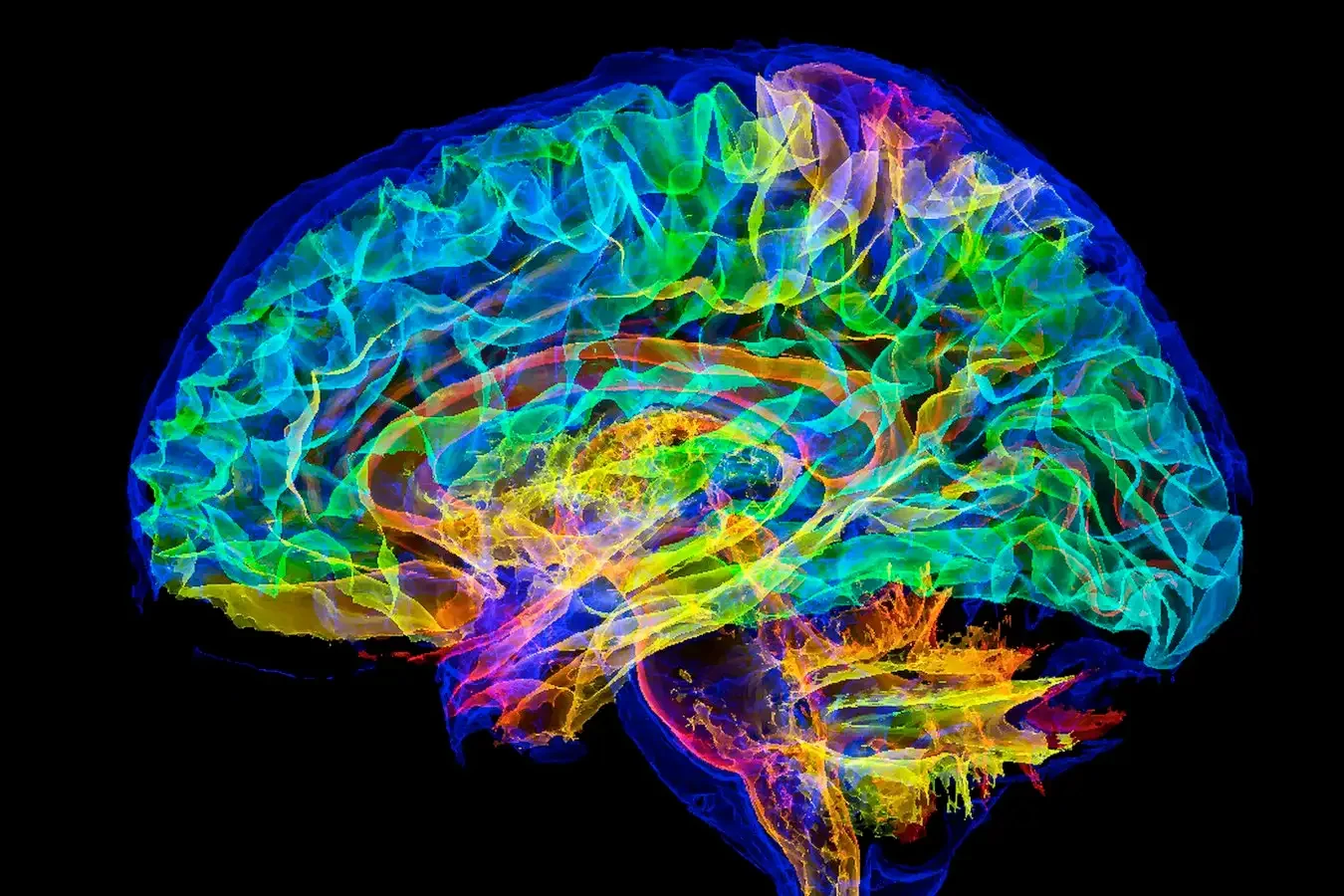
The materials in this unit are designed to examine three interrelated domains: (a) the structure and organization of the brain, from its evolutionary antecedents to more recently derived regions; (b) cognitive development in light of anthropological and archaeological evidence, brain plasticity, and the emergence of human consciousness; and (c) the implications of emerging technologies, including artificial intelligence, robotics, and neural prosthetics.
Topics at the intersection of neuroscience, mind, and culture are explored through journal readings, TED Talks, videos, and other media. Students may investigate the effects of sleep, exercise, meditation, and drugs on cognition, pleasure, and overall health; the roles of memory, neural networks, and language in shaping a sense of self; and contemporary questions surrounding mental illness, post-traumatic stress disorder, concussions, anxiety, and abnormal psychology. Additional areas of inquiry include free will and the unconscious; the functions of dreams and sleep; cognitive enhancement in academic and professional settings; and the evolving relationship between humans and machines: which encompasses artificial intelligence and artificial general intelligence, robots, androids, cyborgs, drones in warfare, the internet, social media, and the possible emergence of superintelligent systems.
The specific direction and depth of these explorations will vary in response to student and teacher interests.
What is mind, and how is it different from body? Is there a mind, or is it an illusion borne from the sophisticated integration of numerous brain regions? What is consciousness? Is it something you have, or is it something you are? Is there an “I” or is “I/me/my” an illusion? And what would create that illusion? Who am I? Who are you?
These questions about existence can be explored by examining from every possible angle – neuroscience, psychology, abnormal psychology, Western philosophy, Eastern philosophy, anthropology, and everything else teachers and students may bring to the table. And ultimately, we can ask whether, as Immanuel Kant concluded, there are limits to what we can understand about ourselves. That is, is reality too complex, too nuanced, too invisible to truly comprehend, and are we too limited by the structure of our brains?
Likely conclusions we can make:
At all scales, the universe can be perceived as an interconnected, evolving, complex dynamic system.
Concepts of brain, mind, perception, consciousness, and self are interrelated human constructs. Perceptions of their existence, essence, and function are greatly subjective.
The quality and the relationships of brain, mind, and consciousness have evolved on planet Earth.

ARTIFICIAL INTELLIGENCE & CYBORGS
This unit examines the accelerating convergence of artificial intelligence, human biology, and machine technologies, and the profound implications of that convergence for individuals, societies, and the future of the human species. Students explore how tools once conceived as external aids are increasingly becoming integrated into cognition, perception, decision-making, and even the body itself, blurring long-standing boundaries between human and machine.
Given the accelerating speed at which AI and AGI are developing, what is humbly offered here is principally a collection of sources that deal mostly with their history, promises, and perils. The information in this unit begins with the foundations of artificial intelligence, the concept of the cyborg, and the historical ambitions and limitations of AI research. From there, it extends to contemporary developments such as artificial general intelligence, autonomous systems, robotics, and algorithmic manipulation and governance.
Throughout the unit, technical advances are examined alongside their ethical, psychological, cultural, and evolutionary consequences. Central questions include: What does intelligence mean when it is no longer uniquely human? How do cognitive enhancements and networked technologies reshape identity, agency, and responsibility? In what ways might automation, surveillance, and algorithmic decision-making alter power structures, labor, warfare, and democracy? And at what point does human–machine integration challenge our definitions of life, consciousness, and personhood?
Readings, media, and discussions draw from neuroscience, computer science, philosophy, anthropology, and science fiction, inviting students to think critically about both the promises and risks of an increasingly technologized future. Rather than offering definitive answers, the unit encourages informed skepticism, ethical reflection, and an appreciation of the deep uncertainty surrounding technologies that may shape the next phase of human evolution.

The themes explored in this unit are deeply interwoven with several others, particularly anthropology, environmental science, and the study of consciousness. Together, they address the social and cultural dynamics that shape – and are shaped by – human civilization.
Civilization’s most consequential variables interact through complex feedback loops, each influencing the others over time. They include population growth and material consumption; food security; health and longevity; climate change and energy use; economics, inequality, wealth, and power; systems of governance, colonialism, and imperialism; the transformative effects of the agricultural, industrial, and emerging AI revolutions; and the core values (conscious and unconscious) that drive people and societies. The unit also examines technological and economic innovations, attending not only to their benefits but to their unintended consequences and systemic blowback.
Collectively, these forces have reshaped humanity’s relationship with itself, with one another, and with the rest of the living planet. This unit invites students to examine how culture, institutions, and values both reflect and drive these changes, and to consider the choices that will shape the future of human societies.

Environmental science is an inherently interdisciplinary field devoted to understanding Earth as a complex, dynamic system and how its physical, biological, and chemical processes function, how human societies interact with those processes, and how human activity has altered them. It also seeks to illuminate pathways toward addressing the environmental challenges that arise from these interactions. As such, the discipline draws on a wide range of fields, including geology, biology, physics, chemistry, ecology, economics, politics, and law, among others. Beneath this diversity, however, lie several unifying themes that connect the field’s many topics.
The overarching goals of environmental science courses are to equip students with the scientific principles, concepts, and methods needed to understand the interrelationships of the natural world; to identify and analyze environmental problems, both natural and human-driven; to evaluate the relative risks associated with these challenges; and to assess potential strategies for preventing or mitigating them.
A central theme running through all subsections is both our capacity (and limits) to project present trends into the future. The materials in this unit support a critical examination of:
the inherent uncertainties of forecasts and models shaped by complex systems behavior, singular or disruptive events, and the limitations of human perception and knowledge; and
the key forces likely to shape this century, including population dynamics and resource consumption; ecosystem services and planetary limits; food security; global warming and climate change; human innovation, economics, and the demographic transition; and the roles of political will, values, and the evolution of human consciousness.
Together, these topics encourage students to think systemically about environmental change, to grapple with uncertainty, and to consider how informed choices made in the present may shape the future of both human societies and the living planet.

Laboratory activities and assignments in this unit focus on developing an understanding of: (1) the factors that shape local weather; (2) the relationships between solar energy and Earth’s atmospheric and oceanic systems; and (3) atmospheric phenomena as the outcome of complex interactions among many variables, informed by multiple scientific disciplines, including physics, chemistry, biology, geology, geography, and astronomy.
Students learn to generate and interpret weather maps, analyze patterns and trends, and make informed predictions about local weather conditions. Through these investigations, they also examine the causes, significance, and consequences of global warming and climate change, developing the skills needed to evaluate evidence and draw independent, scientifically grounded conclusions.